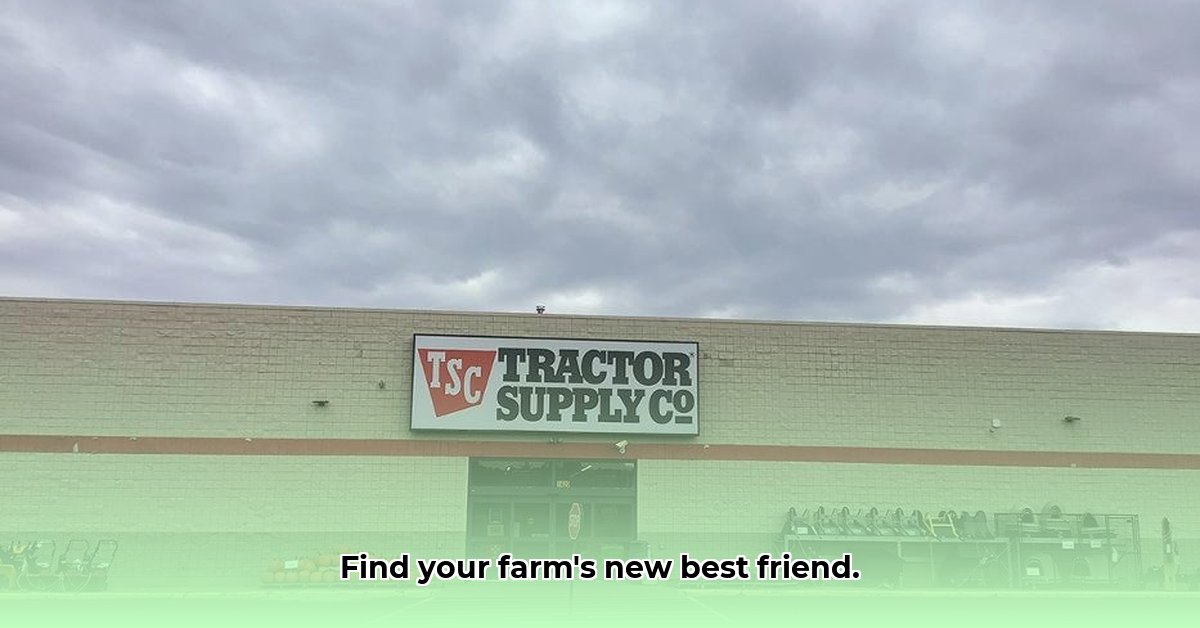
Tractor Supply Caledonia MI: A Deep Dive into Sustainable Agriculture Support
Tractor Supply Company (TSC) is a prominent retailer serving the agricultural needs of Caledonia, Michigan and surrounding areas. This article examines TSC's role in supporting—or potentially hindering—sustainable agricultural practices within the community. We’ll analyze the accessibility of supplies, examine the range of products offered, and assess the company’s broader sustainability efforts. The goal is to provide a balanced assessment of TSC’s contributions to the local farming landscape. For more information on another TSC location, check out this Calhoun County store.
Tractor Supply Caledonia MI: Accessibility and Product Range
TSC's Caledonia location offers a convenient, centralized source for farm and garden supplies. Its accessibility is a significant benefit to local farmers, gardeners, and homesteaders, reducing travel time and logistical hurdles, especially during peak seasons. The store boasts a wide range of products, encompassing seeds, fertilizers, fencing materials, tools, animal feed, and equipment suitable for various farming scales, from small gardens to larger operations. This breadth of inventory caters to diverse agricultural needs, bolstering local food production efforts. However, precise data on product variety and sales figures remain unavailable, hindering a more quantitative analysis of its market impact.
Sustainability Analysis: Opportunities and Challenges
While TSC's accessibility undeniably supports local food production—a key element of sustainable agriculture—a comprehensive evaluation of its sustainability efforts requires a nuanced perspective. The company currently lacks explicit branding or marketing highlighting eco-friendly products or sustainable sourcing. This opacity limits consumers' ability to readily identify and purchase more sustainable options. Furthermore, the lack of transparency in Tractor Supply's supply chain presents a significant challenge. Without detailed information on sourcing practices, manufacturing processes, and transportation methods, it’s difficult to objectively assess the overall environmental impact of its products. This lack of transparency raises questions about the true sustainability of its operations and the overall impact on the environment. Does the convenience of TSC outweigh potential environmental concerns arising from unclear supply chain practices? This question deserves further investigation.
Stakeholder Perspectives and Collaborative Actions
Effective progress towards sustainable agriculture requires a collaborative approach involving various stakeholders. The following actions are crucial:
Tractor Supply Company: Conduct a comprehensive supply chain review to prioritize sustainable suppliers and develop a transparent, measurable sustainability plan with specific goals and timelines. This plan should include detailed Scope 3 emission reduction targets and comprehensive water conservation strategies.
Small-Scale Farmers: Adopt efficient purchasing strategies at TSC to minimize waste. Explore collective bargaining power to advocate for more sustainable products and practices within the retailer's supply chain.
Consumers/Gardeners: Support businesses demonstrably committed to environmental responsibility. Advocate for clearer product labeling regarding sustainability, including sourcing, materials, and production processes. The demand for transparency can drive positive change within the industry.
Local Community: Partner with TSC to organize educational workshops promoting sustainable farming techniques and community-based initiatives, such as community gardens, to highlight the importance of local food systems.
Conclusion: A Promising Start, But Further Steps Needed
Tractor Supply's presence in Caledonia undeniably benefits local food production through its accessibility and broad product range. However, its contribution to sustainable agriculture is incomplete without greater transparency and proactive sustainability initiatives. The lack of detailed information about its supply chain prevents a definitive assessment of its environmental impact. Collaborative efforts among TSC, farmers, consumers, and the community are essential for maximizing the positive influence of the retailer while minimizing any unintended negative repercussions. Future research, particularly into TSC’s supply chain and sourcing, is vital for a more complete understanding of its overall sustainability performance.